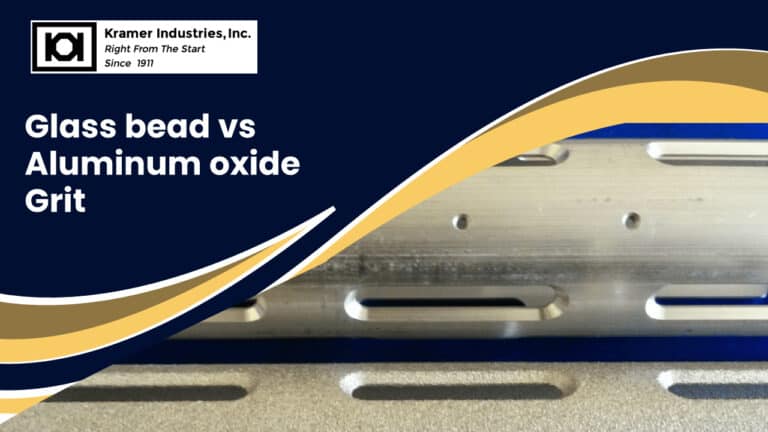
Surface preparation is essential before applying paint, protective coatings, or other finishes. Sandblasting, also known as abrasive blasting, removes rust, old paint, mill scale, and other contaminants while preparing materials for subsequent treatments. When the correct abrasive media and operating conditions are selected, it can improve coating adhesion, increase productivity, and deliver consistent industrial finishing results.
Despite its name, sandblasting does not use sand exclusively. Common abrasive media for sandblasting include glass beads, steel grit, aluminum oxide, garnet, and crushed walnut shells. The appropriate choice depends on the substrate, contamination, desired surface profile, and coating requirements.
Efficient Contaminant Removal
Clean surfaces are essential for successful coating and finishing. Rust, loose paint, mill scale, dirt, and manufacturing residues can interfere with adhesion, causing uneven coverage or premature coating failure.
Abrasive blasting propels abrasive particles against a surface to dislodge unwanted material. Industrial sandblasting equipment can clean large surfaces and complex components efficiently, particularly in manufacturing and maintenance environments.
Oil and grease should generally be removed before blasting because they can spread across the surface or compromise subsequent coating performance. Soluble salts may also require separate cleaning. Combining appropriate pre-cleaning with abrasive blasting helps produce a reliable surface for finishing.
Rust Removal and Prevention
Rust develops when iron-containing metals react with oxygen and moisture. If left untreated, corrosion can deteriorate metal surfaces and compromise component performance.
Sandblasting removes rust and corrosion products through the impact of abrasive particles. Depending on the substrate and required cleanliness, aluminum oxide or steel grit may be suitable for preparing metal surfaces for inspection and protective coatings.
Rust removal is not the same as rust prevention. Freshly blasted steel can begin corroding when exposed to moisture. Applying an appropriate primer or protective coating within the timeframe specified for the project helps protect the prepared surface.
For critical applications, surface cleanliness should be checked against the applicable coating specification rather than relying on visual appearance alone.
Surface Preparation for Coatings
Abrasive blasting is widely used before applying paint, powder coatings, and industrial protective finishes. It removes contaminants and can create a controlled surface profile that supports mechanical coating adhesion.
The required profile depends on the coating system and project specifications. An insufficient profile may reduce adhesion, while excessive roughness can make uniform coating coverage more difficult.
Angular abrasives are often selected when a defined surface profile is required, whereas glass beads may suit applications requiring a less aggressive finish. The final selection should follow the coating manufacturer’s requirements.
After blasting, inspect the surface for cleanliness, profile, dust, and other contaminants as required. Controlling environmental conditions and minimizing delays before coating can help reduce flash rust and contamination-related failures. AMPP provides industry standards covering surface preparation and profile evaluation.
Cost-Effective and Time-Saving
Sandblasting can reduce preparation time compared with labor-intensive methods such as manual sanding, scraping, and grinding. It is particularly useful for large surfaces, complex geometries, and repetitive industrial production tasks.
Productivity depends on abrasive selection, equipment configuration, operator technique, and workpiece condition. Properly matched nozzles, pressure controls, abrasive delivery systems, and dust-collection equipment help maintain consistent performance. Suitable sandblasting accessories also support efficient operation.
Businesses should evaluate total operating costs rather than abrasive purchase price alone. Media consumption, recovery and reuse, energy requirements, equipment maintenance, labor, waste disposal, and potential rework all influence cost-effectiveness.
Reusable media may reduce long-term costs when suitable recovery systems are available. Selecting the right blasting process helps manufacturers balance cleaning speed, surface quality, and operating expenses.
Versatility Across Multiple Surfaces
Sandblasting is used for more than metal cleaning. With suitable media and controlled operating conditions, it can also prepare wood, stone, concrete, and other materials for specific applications.
Different substrates require different levels of abrasive aggressiveness. A medium suitable for heavy steel corrosion removal may damage thin metal, soft materials, or decorative finishes.
Common applications include:
- Metal components: Aluminum oxide or steel grit for selected cleaning and profiling tasks.
- Decorative metal finishing: Glass beads for a uniform, less aggressive finish.
- Sensitive components: Suitable plastic abrasives for certain coating-removal applications.
- Wood restoration: Crushed walnut shells or compatible media to help minimize surface damage.
- Construction and infrastructure: Appropriate abrasives for preparing selected metal structures and concrete surfaces.
These are general examples rather than universal recommendations. Testing a representative area helps determine whether the abrasive and operating settings deliver the desired result.
Across automotive restoration, manufacturing, construction, and industrial maintenance, abrasive blasting provides flexibility for cleaning components, removing unwanted coatings, and preparing surfaces for subsequent finishing.
Environmentally Friendly Option
Abrasive blasting can reduce reliance on certain chemical stripping agents, depending on the application. However, its environmental impact depends on the media, equipment, contamination, recovery potential, and waste-management procedures.
Glass beads may be reusable in suitable recovery systems, while crushed walnut shells are plant-derived organic abrasives used for selected applications. Neither material automatically makes an entire blasting operation environmentally preferable.
Wet or water-assisted blasting can reduce airborne dust compared with otherwise similar dry-blasting conditions. However, it introduces additional considerations, including wastewater management, drying requirements, and potential flash rusting on freshly cleaned steel.
Worker safety is equally important. Abrasive blasting can generate hazardous dust and noise, depending on the abrasive and material being treated. Appropriate ventilation, dust collection, protective equipment, and compliant waste handling are essential. OSHA provides guidance on controlling abrasive-blasting hazards.
Conclusion
Sandblasting is an effective surface-preparation method for manufacturing, automotive restoration, construction, and industrial maintenance. It removes rust, old coatings, and other contaminants while preparing surfaces for paint and protective finishes.
Its main benefits include efficient cleaning, corrosion removal, improved coating preparation, potential time savings, versatility across different materials, and opportunities to manage dust and waste through appropriate process controls.
Successful results depend on selecting suitable abrasive media, controlling operating conditions, and verifying surface cleanliness and profile before coating. Removing oil and grease beforehand, managing workplace hazards, and protecting freshly cleaned metal against corrosion are equally important.
Explore Kramer Industries’ abrasive media to identify options for different industrial cleaning and finishing applications.
Frequently Asked Questions (FAQs)
1. What is the main purpose of sandblasting?
Sandblasting removes rust, old paint, scale, and other contaminants while preparing materials for coatings or finishing. It can also create a surface profile that supports coating adhesion.
2. Is sandblasting only done with sand?
No. Abrasive blasting uses materials such as glass beads, steel grit, aluminum oxide, garnet, and crushed walnut shells. Selection depends on the substrate and application.
3. Why is sandblasting used instead of chemical cleaning?
Abrasive blasting can provide efficient mechanical cleaning and surface profiling without certain chemical stripping agents. The appropriate method depends on the material, contamination, safety requirements, and waste-management considerations.
4. Can sandblasting remove rust completely?
Abrasive blasting can remove rust to a specified cleanliness level when suitable media and operating parameters are used. Protective coatings are generally needed to help prevent future corrosion.
5. How does sandblasting improve coating adhesion?
It removes contaminants and can create a controlled surface profile that supports mechanical bonding between the substrate and coating. The required profile depends on the coating specification.
Related Articles